



© 2025 Onward. All rights reserved.
Designed by BX Studio


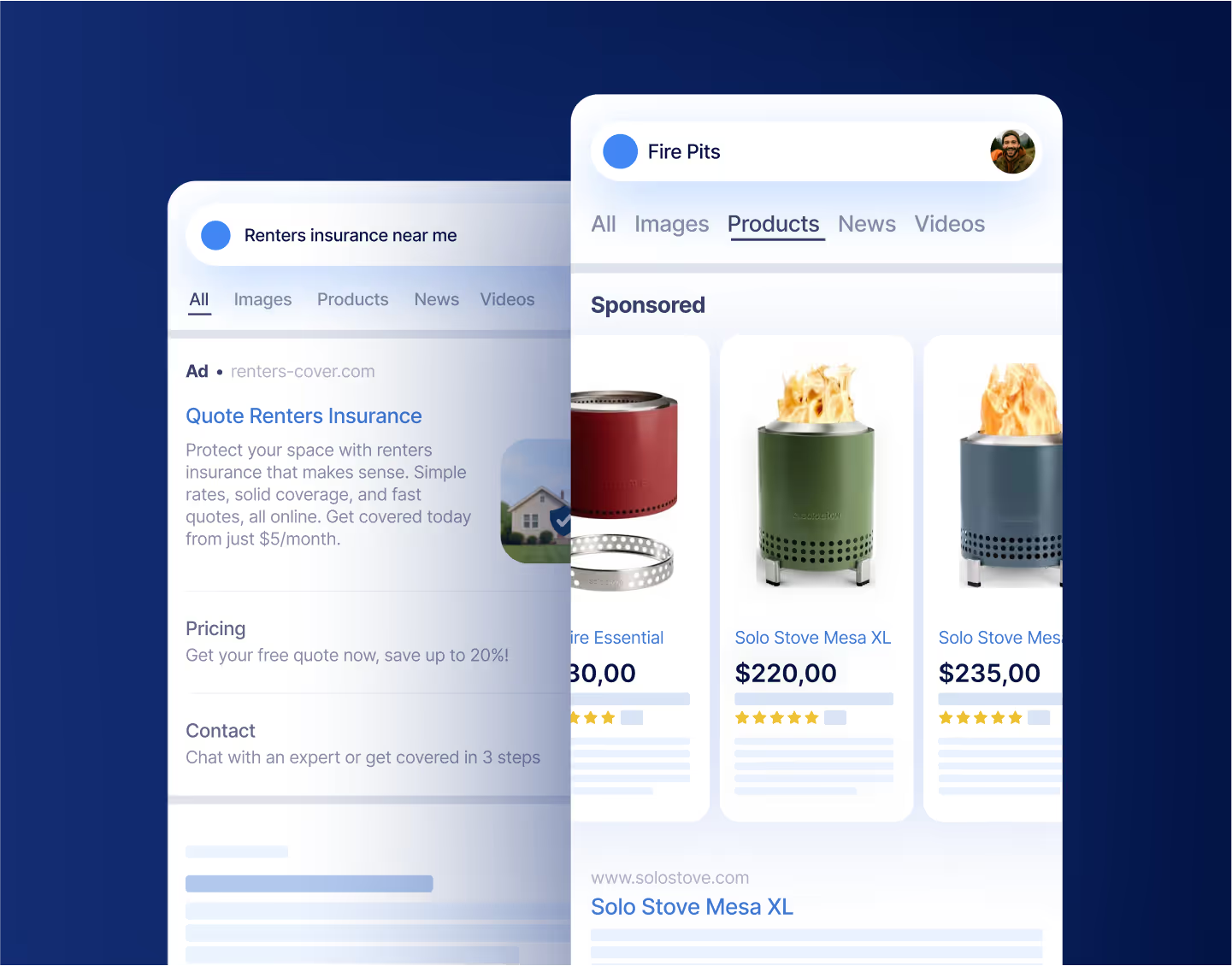
Bid on your own brand name when someone else is competing for those searches, such as competitors, resellers, or affiliates, or when you need control over the message buyers see. If nobody else bids and you already rank first organically, a meaningful share of branded ad clicks may be people who would have clicked your organic listing anyway. The only way to know is to test: pause brand ads for part of your audience, then compare total orders and new customers against the group where ads kept running.
Branded search looks profitable because it captures demand that already exists. Someone typing your company name has usually decided to buy or is close to it. Google Ads records the click and the purchase, so branded campaigns often report a ROAS several times higher than prospecting campaigns.
The problem is attribution, not the ads themselves. If that buyer would have clicked your organic result instead, the ad cost you money without creating the sale. Any team running paid search and paid social management should report brand and non-brand campaigns separately, because blending them makes the whole account look more efficient than it is.
The best-known studies disagree, and the reason is context.
These studies are more than a decade old, and search results now include Shopping ads, AI Overviews, and more ad slots. They show why testing your own account matters more than any general rule.
In B2B, branded searches often come from prospects already in a sales conversation, so paid media tied to qualified pipeline should check whether brand ads are creating opportunities or just intercepting existing ones.
Run a controlled test that compares a group with brand ads against a group without them, then measure the difference in backend results.
Divide the extra brand ad spend in the test group by the extra orders it produced. That gives an incremental cost per order you can compare with your contribution margin per order.
A hypothetical example: brand ads cost $6,000 over three weeks in the test regions. Compared with the holdout, those regions produced 40 more orders. The incremental cost is $150 per order. If each order earns $90 in contribution margin, the brand campaign loses money at that spend, even if Google reports a 12x ROAS. Lowering bids or limiting brand ads to competitive hours may be the better answer than turning them off.

The broader case for CM vs. ROAS for media buying applies directly here.
Performance Max can spend on branded queries unless you limit it. As of October 2026, Google's brand exclusions for Performance Max apply to Search, Shopping, and YouTube search inventory, so you can keep brand traffic in a separate Search campaign that you test and measure on its own.
The goal is the same as in any paid media work: lower CAC from spend that actually adds customers. Blueprint cut CAC 57% while scaling ad spend 11x, as shown in this 57% CAC reduction case study.

Some of them. Google's 2012 data suggests roughly half of ad clicks are replaced when you hold the top organic spot, but your result depends on who else appears on the page, which is why the test measures paid and organic clicks together.
Generally no. Google allows trademarks as keywords, though a trademark complaint can restrict their use in ad text. Bidding on your own name is the most direct way to keep the top position.
Bid on your brand when competition or messaging needs justify it, and prove it with a holdout test measured in backend orders and margin. If you want help designing that test, book a discovery call.